PBKS vs RR: Selection Debate Intensifies as Yash Raj Punja Preferred Over Ravi Bishnoi
Rajasthan Royals’ decision to back Yash Raj Punja over Ravi Bishnoi has sparked tactical discussions following their clash against Punjab Kings in IPL 2026.
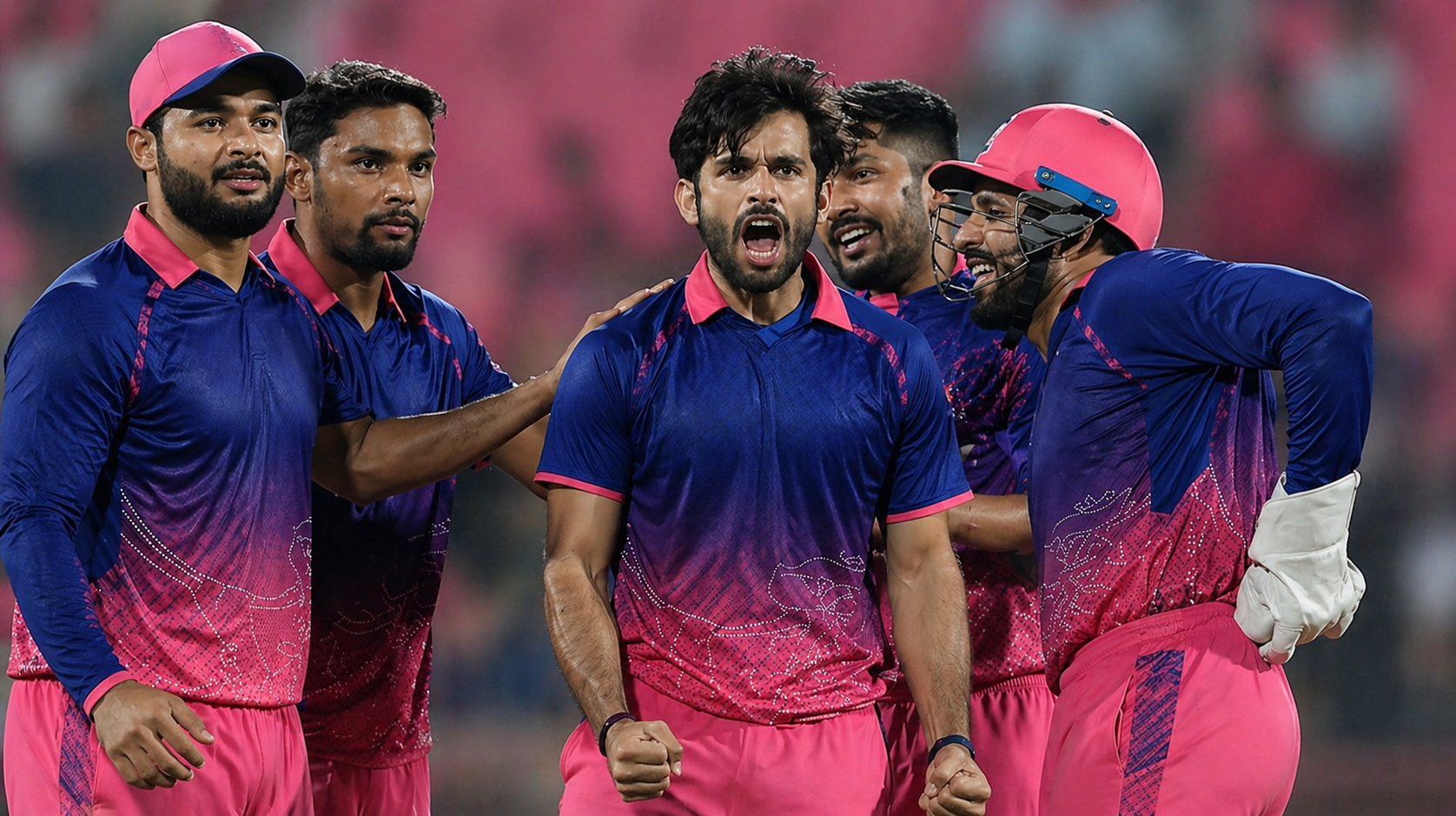
The Indian Premier League 2026 continues to deliver not just high-scoring matches but also intriguing tactical decisions that shape the outcome of games. One such talking point emerged from the clash between Punjab Kings (PBKS) and Rajasthan Royals (RR), where team selection became a major subject of discussion.
Among the key decisions that drew attention was Rajasthan Royals opting to include Yash Raj Punja in their playing combination over the more established Ravi Bishnoi. This move sparked debate among analysts and former players, with questions raised about strategy, conditions, and long-term planning.
In a tournament as competitive as the IPL, every selection carries weight. The decision to back a relatively lesser-known option over an experienced performer reflects the evolving dynamics of team strategy in modern T20 cricket.
The Match Context
The PBKS vs RR encounter was a high-pressure game, with both teams aiming to strengthen their position in the points table. Punjab Kings entered the match with strong momentum, while Rajasthan Royals were looking to regain consistency.
The match itself turned into a high-scoring contest, with Punjab Kings posting a formidable total. Rajasthan Royals, however, responded with an equally strong batting performance to chase down the target successfully.
While the result highlighted RR’s resilience, it also brought attention to the tactical decisions made before and during the game.
The Selection Decision
The choice to play Yash Raj Punja over Ravi Bishnoi was one of the most discussed aspects of the match. Bishnoi, known for his leg-spin and wicket-taking ability, has been a proven performer in T20 cricket.
On the other hand, Punja represents a different skill set, offering variations and potentially better adaptability to specific match conditions. The decision to prefer him suggests that the team management was looking for a particular balance in the bowling attack.
Such decisions are rarely straightforward. They involve multiple factors, including pitch conditions, opposition strengths, and overall team combination.
Understanding the Tactical Angle
In T20 cricket, team selection is often influenced by match-ups. Captains and coaches analyze opposition lineups and choose players who can exploit weaknesses.
In this case, the Royals may have considered how their bowling options would match up against PBKS’s batting lineup. Punjab Kings have been one of the most aggressive batting sides this season, with a high scoring rate.
Against such a lineup, control and variation become critical. The inclusion of Punja may have been aimed at providing a different bowling dynamic, one that could disrupt the rhythm of PBKS batters.
Expert Opinions and Analysis
Former players and analysts have weighed in on the decision, offering different perspectives. Some have argued that experience should have been prioritized, especially in a high-pressure game.
Others, however, have supported the move, highlighting the importance of backing players based on conditions and strategy rather than reputation alone.
This difference of opinion reflects the complexity of decision-making in modern cricket, where there is rarely a single “correct” choice.
Performance vs Selection Debate
One of the key aspects of this discussion is the relationship between selection and performance. While team selection sets the stage, it is ultimately the performance on the field that determines the outcome.
In this match, Rajasthan Royals’ overall performance — particularly their batting — ensured victory, which in turn reduced the immediate pressure on the selection decision.
However, such debates often continue beyond individual matches, especially when they involve established players being left out.
The Role of Young Players
The inclusion of players like Yash Raj Punja highlights a broader trend in the IPL — the increasing reliance on young and emerging talent.
Franchises are willing to take calculated risks by giving opportunities to new players, trusting them to deliver in high-pressure situations. This approach not only strengthens squad depth but also prepares teams for the future.
For players like Punja, such opportunities are crucial in establishing themselves at the highest level.
Ravi Bishnoi’s Perspective
Ravi Bishnoi remains one of the most skilled leg-spinners in the IPL. His ability to take wickets in the middle overs has made him a valuable asset in previous seasons.
Being left out of the playing XI does not diminish his importance. Instead, it highlights the competitive nature of team selection, where even top players must adapt to changing team requirements.
His experience and skill set ensure that he remains a key option for the Royals as the tournament progresses.
Impact on Team Dynamics
Selection decisions can influence team dynamics, both positively and negatively. On one hand, giving opportunities to new players can boost morale and create healthy competition.
On the other hand, leaving out experienced players requires careful management to maintain team balance and confidence.
Rajasthan Royals appear to be managing this balance effectively, as reflected in their performance on the field.
The Bigger Picture
The debate around Punja vs Bishnoi is not just about one match. It reflects a larger shift in T20 cricket, where adaptability and flexibility are becoming more important than fixed roles.
Teams are increasingly focusing on match-specific strategies, tailoring their playing XI to suit conditions and opposition.
This approach requires players to be versatile and ready to adapt, whether they are in the starting lineup or waiting for an opportunity.
What This Means for IPL 2026
As the tournament progresses, such decisions will continue to shape outcomes. Teams that can make effective tactical choices are more likely to succeed in the long run.
The PBKS vs RR match serves as an example of how strategy, execution, and adaptability come together in modern T20 cricket.
It also highlights the importance of depth in squad composition, allowing teams to experiment and adjust as needed.
Conclusion
The Rajasthan Royals’ decision to back Yash Raj Punja over Ravi Bishnoi has added an interesting dimension to IPL 2026 discussions.
While opinions may differ on the choice, it underscores the evolving nature of cricket strategy, where decisions are driven by context rather than convention.
As the tournament continues, such tactical debates will remain a key part of the narrative, reflecting the depth and complexity of the IPL.