'I don't want it to be my last World Cup': Emotional Sciver-Brunt reflects on Lord's heartbreak
An emotional Nat Sciver-Brunt has insisted she does not want England's T20 World Cup final defeat to Australia at Lord's to be her final global tournament. The 33-year-old captain, who top-scored with a fighting 58 despite battling back from a calf injury, remained coy on her international future, saying she is living day by day after a bittersweet, rollercoaster campaign.
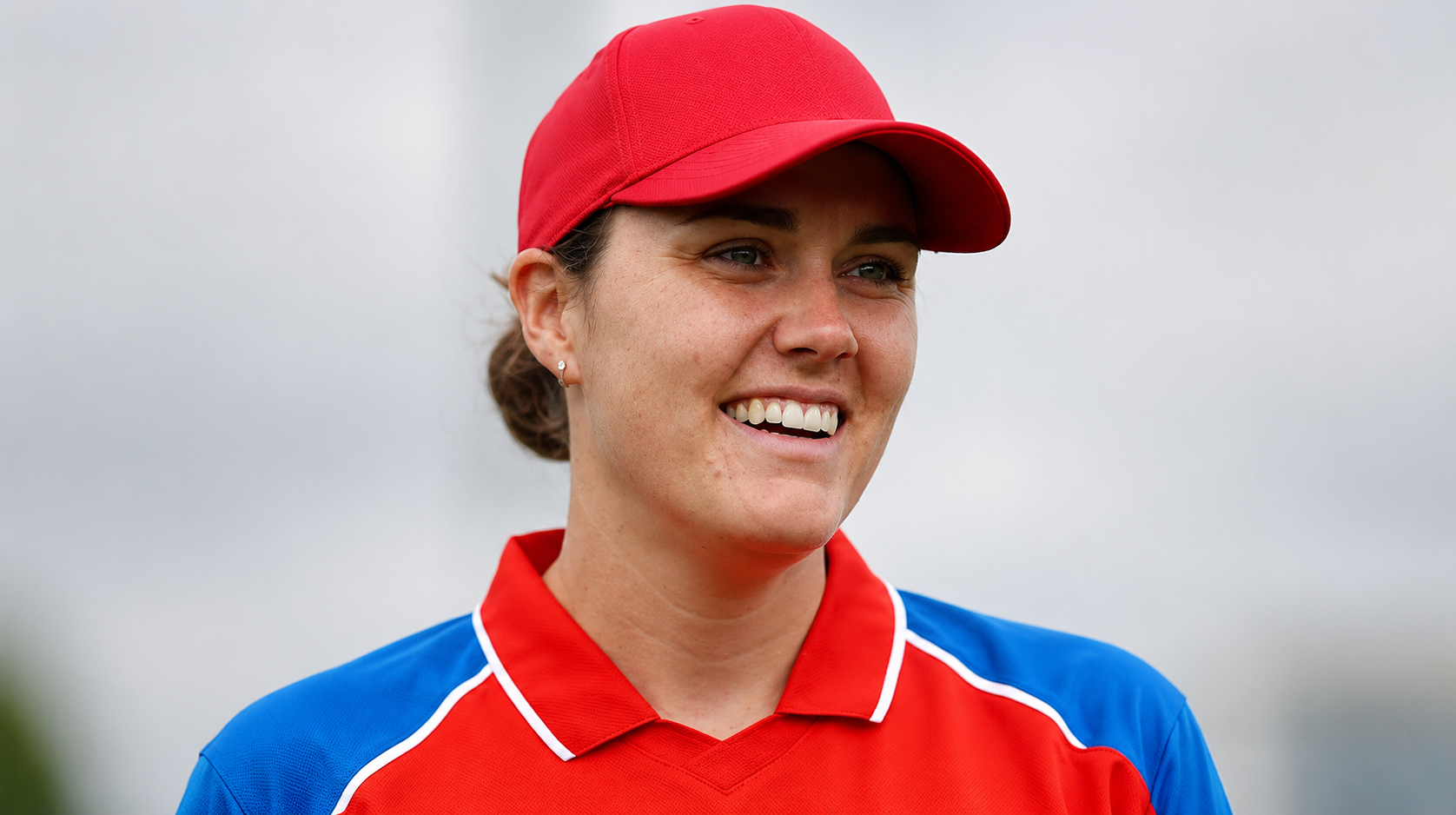
An emotional Nat Sciver-Brunt has made clear she does not want England's heartbreaking Women's T20 World Cup 2026 final defeat to Australia to mark the end of her journey at cricket's showpiece events. Speaking after a seven-wicket loss at a sold-out Lord's, the England captain remained tight-lipped on her long-term future but expressed a firm desire to feature in more global tournaments.
The final proved a bittersweet occasion for the 33-year-old, who top-scored for her side with a fighting half-century, only to see Australia canter to a record-extending seventh title.
'I don't want it to be my last'
When asked in the post-match press conference whether the final could prove to be her last World Cup, Sciver-Brunt was initially hesitant before responding more decisively. She said she had not thought about it, but was clear that she did not want it to be her last World Cup, adding that she did not even know when the next one would be.
She explained that she is currently living day by day, having not yet turned her mind to retirement or her long-term international plans in the immediate aftermath of such a painful defeat.
A poignant moment with her son
The emotion of the occasion was heightened by a deeply personal moment before the game. Sciver-Brunt walked out for the national anthem carrying her 15-month-old son, Theo, an experience she cherished all the more knowing such opportunities may not come again.
She admitted she would probably never play in a home World Cup again, which made the chance to bring Theo out especially meaningful. Visibly moved as she spoke, she said she could not fully put into words how special the moment was, with her family's support the source of her heightened emotions.
No more home World Cups on the horizon
Part of what made the day so significant is the schedule that lies ahead. The next T20 World Cup, in 2028, is set to be held in Pakistan, while the venues for the 2029 ODI World Cup and 2030 T20 World Cup are yet to be confirmed but are unlikely to be staged in England.
That reality lent the Lord's final an added weight, with Sciver-Brunt aware that the sight of nearly 30,000 home supporters roaring her side on may not be repeated on such a stage in her career.
A rollercoaster campaign
England's tournament mirrored their captain's own turbulent journey. She led the side to commanding group-stage wins over Sri Lanka and Ireland, including a record-breaking team total in the opener at Edgbaston, before a recurring calf injury threatened to end her participation entirely.
Navigating that uncertainty while trying to lead the group was, by her own admission, far from easy. She spoke of the difficulty of missing games and of trying to remain positive around the squad without revealing how tough she was finding it.
A match-winning return
Remarkably, Sciver-Brunt returned in style for the semi-final against South Africa, producing a match-winning 75 that even surprised herself. Alongside Heather Knight, she helped rescue England from a precarious position and clinically dispatched a side that had knocked them out of two of the last three global events.
That performance carried England into their first T20 World Cup final since 2018 and underlined her enduring class, with the all-rounder saying she was immensely proud of what she had been able to achieve despite the physical setbacks.
Falling short in the final
The fairytale ending, however, eluded her. Sciver-Brunt once again top-scored in the decider with a battling 58 not out from 53 balls, but on a surface England found tougher for batting than expected, her side's total of 150 for four proved around 20 runs short.
She reflected that she felt she could have done more, stressing that her earlier absence had been down to injury rather than any lack of form, and that she had backed herself to accelerate at the death. Despite the disappointment, she finished the tournament with a remarkable 227 runs at an average of 113.50, as the third-highest run-scorer of the competition.
The final word
For England, the wait for a global title stretches on, and questions over the future of their talismanic captain will linger. But Sciver-Brunt's words carried the unmistakable message of a competitor not yet ready to walk away. Bruised by defeat yet defiant about what lies ahead, one of the modern game's greats appears determined to write more chapters on cricket's biggest stages.
This article touches on themes of injury and emotional difficulty in a sporting context.