'Struggling to adapt to Zimbabwe's bounce': Ashraful admits Bangladesh's batting woes
Bangladesh batting coach Mohammad Ashraful has admitted his side are struggling to cope with the bounce generated by Zimbabwe's tall pace attack, after a shock first-ODI collapse handed the hosts a 25-run win. Trailing the three-match series, the tourists face a must-win second ODI in Harare, buoyed only by Nahid Rana's record-breaking 6 for 21 in the opener.
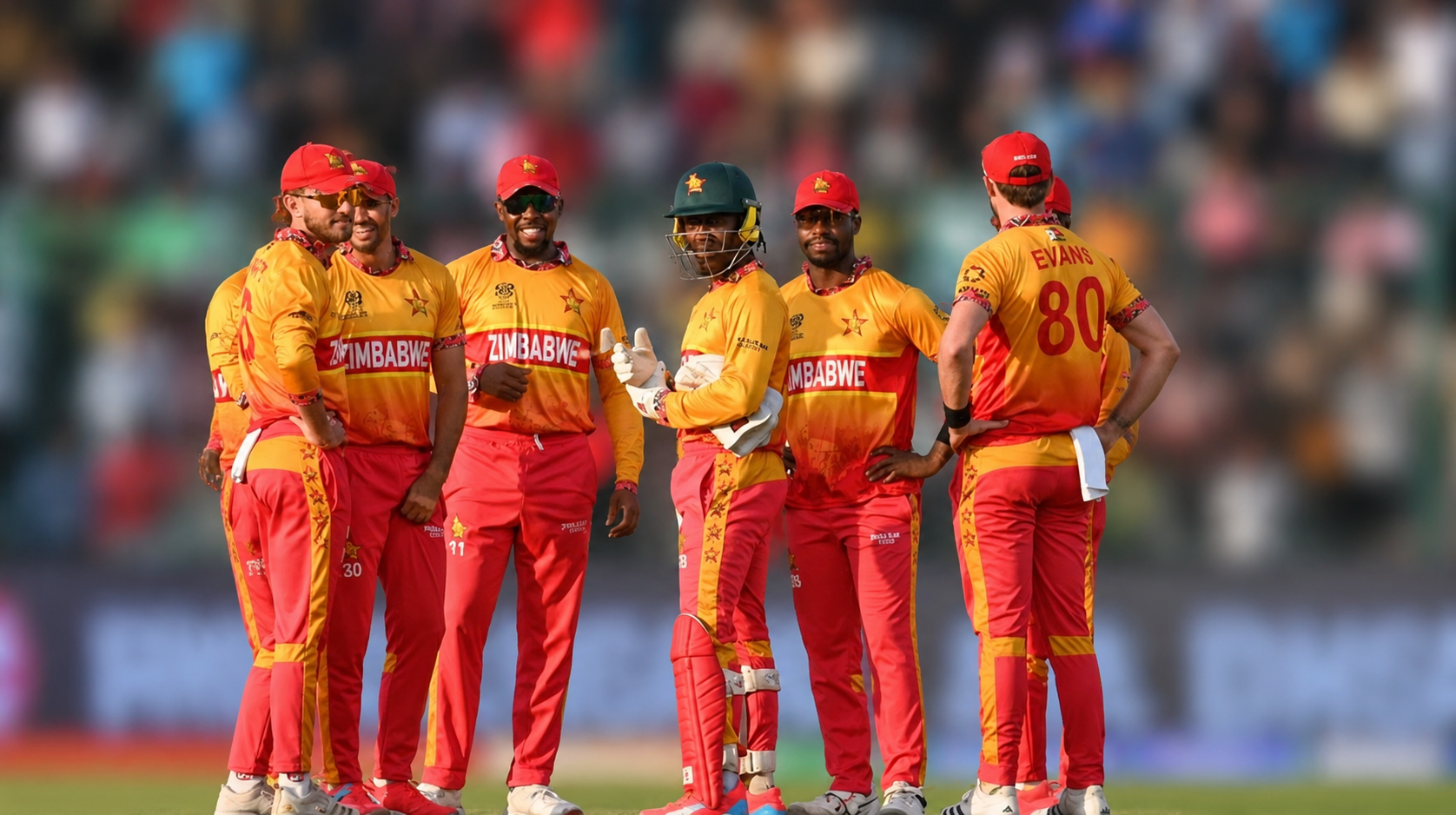
Bangladesh batting coach Mohammad Ashraful has openly admitted that his side are struggling to adapt to the extra bounce generated by Zimbabwe's improved pace attack, following a chastening start to their tour. After failing to defend, then chase, modest targets, the tourists head into a must-win second ODI in Harare under mounting pressure and searching for answers to their persistent top-order failures.
With the three-match series now on the line, Bangladesh's batting frailties have become the dominant storyline of a trip that has so far been defined by collapses.
Ashraful's candid assessment
Speaking from Harare, Ashraful did not shy away from the root of Bangladesh's problems. He praised Zimbabwe's pace unit, noting that the bowlers are tall and are extracting good bounce from the surfaces, and conceded that his batters have been struggling against that challenge.
He expressed hope that the players had learned their lessons, stating that the team had been working on the issue and that he wanted his batters to do better across the remaining ODIs and the T20Is, without repeating the same mistakes.
A tour of collapses
Bangladesh's visit to Zimbabwe has been characterised by batting breakdowns. In the one-off Test in Harare, they slumped to a heavy defeat by an innings and 85 runs, before their batting let them down again in the first ODI at the same venue.
Chasing a modest 142, the tourists contrived to lose from a winning position, sliding to 116 all out and a 25-run defeat. Top-order batters Tanzid Hasan, Najmul Hossain Shanto, Towhid Hridoy and Mehidy Hasan Miraz all fell to poorly executed shots, throwing away their wickets when the match appeared there for the taking.
The conditions challenge
Ashraful pointed to the stark contrast between conditions at home and those in Zimbabwe. While Bangladesh's domestic pitches have improved in recent months, he explained that the steep bounce in Harare presents an entirely different examination, made harder by a disciplined Zimbabwean attack using its height to maintain immaculate lines and lengths.
He also highlighted the significant difference in boundary dimensions, with home grounds typically measuring 60 to 65 metres compared to the 73 to 75 metres demanded at the Harare Sports Club. That, combined with a harder deck, has visibly disrupted the tourists' natural timing.
A little misfortune too
The former national captain suggested his batters had also been slightly unfortunate in the opener, rather than simply careless. He noted that some well-timed shots had flown straight to perfectly positioned fielders, citing the dismissals of Tamim Iqbal and Soumya Sarkar as examples of good strokes finding the hands of the opposition.
The squad has also had to contend with a jarring climatic switch, leaving the intense summer heat of Bangladesh to arrive in the midst of a chilly Zimbabwean winter. Early-morning moisture and extra lateral movement have handed the local bowlers a distinct home advantage.
Nahid Rana the shining light
Amid the gloom, Bangladesh's returning pace prodigy Nahid Rana provided a genuine reason for optimism. The fiery quick, capable of touching 150 kph and sustaining that pace, produced a stunning spell of 6 for 21 in the first ODI.
Those were the best figures by a Bangladesh men's bowler in ODI history, surpassing the 6 for 26 taken by Mashrafe Mortaza against Kenya in 2006. Rested for the one-off Test, where his absence was keenly felt, Rana slotted straight back in to remind everyone of his rare, one-of-a-kind talent, and remains Bangladesh's best hope of a repeat bowling performance.
The stakes for both sides
The context adds weight to the second ODI. Captain Mehidy Hasan Miraz has led Bangladesh to four consecutive ODI series wins, including home triumphs over New Zealand and Australia, but that streak is now in jeopardy in their first away series since October 2025.
The defeat carries longer-term significance too, with an ODI World Cup scheduled in South Africa, Zimbabwe and Namibia next year — on surfaces likely to offer the same pace and bounce that has troubled them here. For Zimbabwe, buoyed by their bowlers rescuing them from 70 for 8 in the opener, a series win is now within reach, and they are unlikely to change a winning formula.
The final word
Ashraful's honest appraisal underlines the scale of Bangladesh's challenge, both technical and mental, as they seek to keep the series alive. The batting must find a way to counter Zimbabwe's height and bounce, or risk another damaging collapse. With Nahid Rana firing and the coaching staff preaching calm, the tourists have the tools for a response — but in Harare, the onus is firmly on their under-fire batters to finally deliver.