62 runs in three overs: the passage that cost India the series at Lord's
Rohit Sharma's magnificent 138 was not enough as India fell 27 runs short at Lord's, handing England the ODI series 2-1. Captain Shubman Gill pinpointed the phase that decided it — 62 runs conceded in the final three overs as England piled up a record 387 for 3. Admitting his attack is "a little bit inexperienced", Gill said India were in the contest until the 45th over.
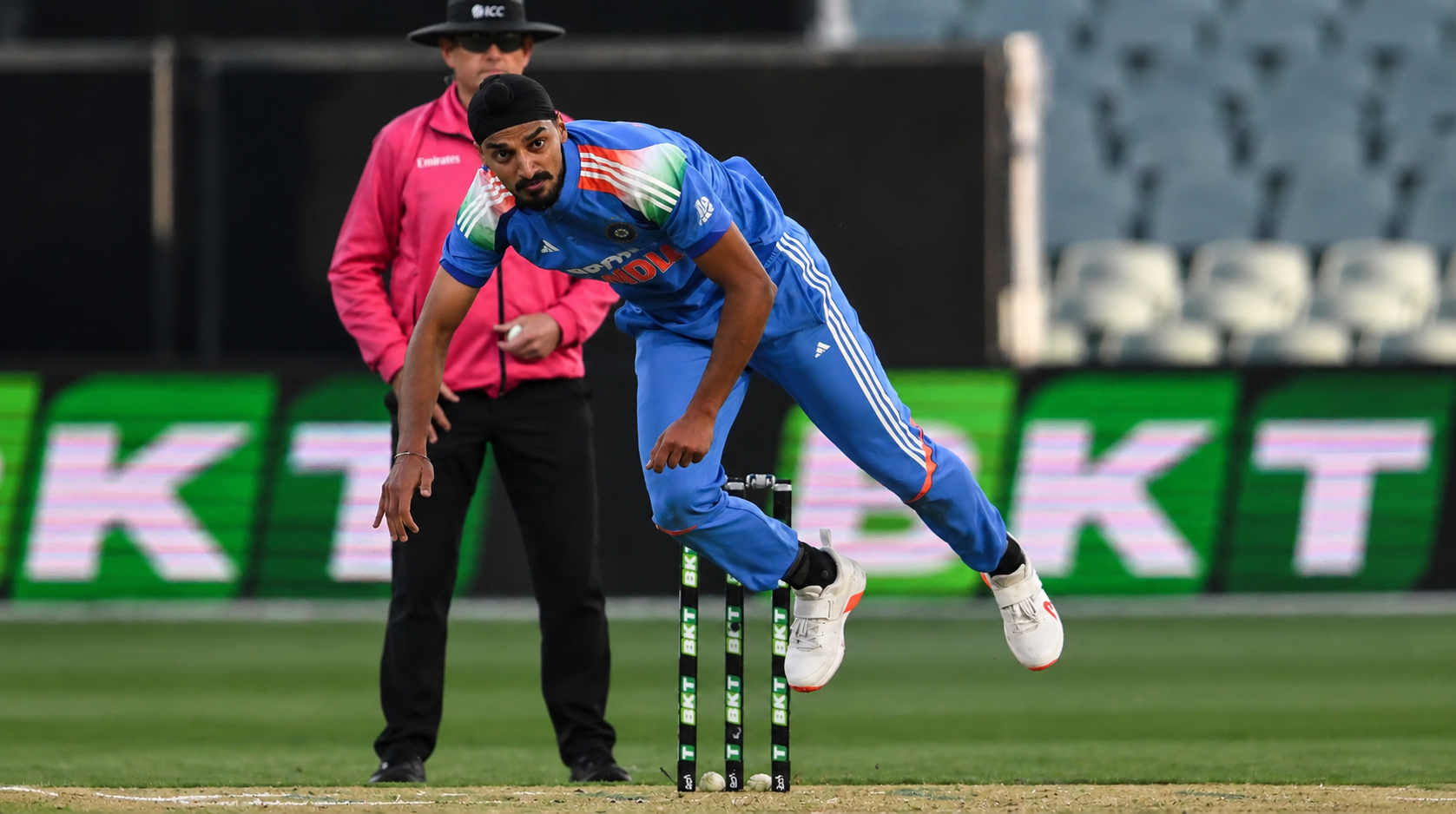
India were in the fight at Lord's until the game got away from them in the space of three brutal overs. Captain Shubman Gill identified that late onslaught as the decisive passage in a 27-run defeat that handed England the ODI series 2-1, with the hosts plundering 62 runs in the final three overs to post a record-breaking total.
Even a magnificent century from Rohit Sharma could not repair the damage, as India's bowling attack was punished at both ends of the innings on a run-soaked afternoon at the Home of Cricket.
'That's where the game went away from us'
Gill was clear about where the contest turned. Speaking at the post-match presentation, he said India were right in the game until the 45th over, but gave away a lot of runs in the last three overs — and that was where the match slipped from their grasp.
The numbers bear him out starkly. India conceded a massive 126 runs across overs 41 to 50, with Gurnoor Brar and Prasidh Krishna each leaking 23 runs in the 48th and 49th overs respectively, before Prince Yadav went for 16 in the final over.
Buttler and Root deliver the knockout blow
The architects of the late carnage were Jos Buttler and Joe Root. Buttler was devastating, smashing 41 from just 13 deliveries, while Root compiled a fluent 74 from 48 balls to propel England to 387 for three — the highest ODI total ever recorded at Lord's.
Ben Duckett, Jacob Bethell and Root had already built a commanding platform earlier in the innings, leaving India constantly chasing the game once the acceleration arrived.
An inexperienced attack under the pump
Gill was honest rather than accusatory in his assessment of the bowling unit, acknowledging its relative rawness. He described the attack as a little bit inexperienced, noting that India were put under the pump in this match and did not respond well.
He identified the powerplay as an equally costly phase, explaining that his bowlers gave away too many loose balls early on and were subsequently always chasing the game, trying to take wickets and manufacture something that never materialised. By that stage, he conceded, the match was already ahead of them.
Missing their spearhead
Context matters here, and the absence of Jasprit Bumrah loomed large. India's pace leader was ruled out shortly before the toss with reactive swelling in his left knee, depriving the side of their most reliable operator with both the new ball and at the death.
Alongside him, Washington Sundar was also unavailable, forcing India into three changes for the biggest match of the tour. Asking Brar, Krishna and Prince Yadav to hold the line against a rampant England batting order in those closing overs proved a considerable ask.
Rohit's magnificent response
Faced with a mountainous target, India refused to fold. Rohit Sharma produced a scintillating 138 from 110 balls, his 34th ODI century, and the highest individual ODI score by an Indian against England in England — surpassing his own unbeaten 137 at Trent Bridge in 2018.
He was superbly supported by Virat Kohli, who made 74, the pair sharing a 113-run second-wicket stand, their 21st century partnership in ODIs. Gill himself contributed 77 to keep the chase firmly alive.
A collapse at the worst time
At 304 for two, India looked genuinely capable of pulling off a record chase. Then came the wobble that ended their hopes, as three wickets fell for just 12 runs to derail the pursuit at its most crucial juncture.
India ultimately finished on 360 for seven, a total that would have won the overwhelming majority of ODIs but which fell 27 short on a day when England's late assault had set an impossible benchmark.
Backing the seniors
Gill was quick to praise his experienced batters, reserving particular admiration for Rohit's century and highlighting the value the veterans continue to bring. Almost everyone got runs, he observed, framing the batting effort as one of the few clear positives.
It was a pointed show of support at a time when speculation around the futures of India's senior players continues to swirl, and a reminder that the defeat was rooted in execution with the ball rather than any failure with the bat.
The final word
This was a match decided not across fifty overs but within a handful of them. India's batting rose to an extraordinary challenge, yet the concession of 62 runs in the final three overs proved insurmountable. With a young, injury-hit attack still finding its feet and the 2027 World Cup on the horizon, learning to close out the death overs has become an urgent priority for Gill's side.