No more dead rubbers: inside the ICC's radical redesign of the 2027 World Cup
The ICC has torn up the blueprint for the 2027 ODI World Cup, adding two brand-new stages — a Super Series and a Super 7 — to a four-phase gauntlet. The 14-team event in South Africa, Zimbabwe and Namibia keeps its size but reshapes the road to the final, all to kill off meaningless dead rubbers, keep early games alive and squeeze in more blockbuster clashes. Here's the rationale behind the tweak.
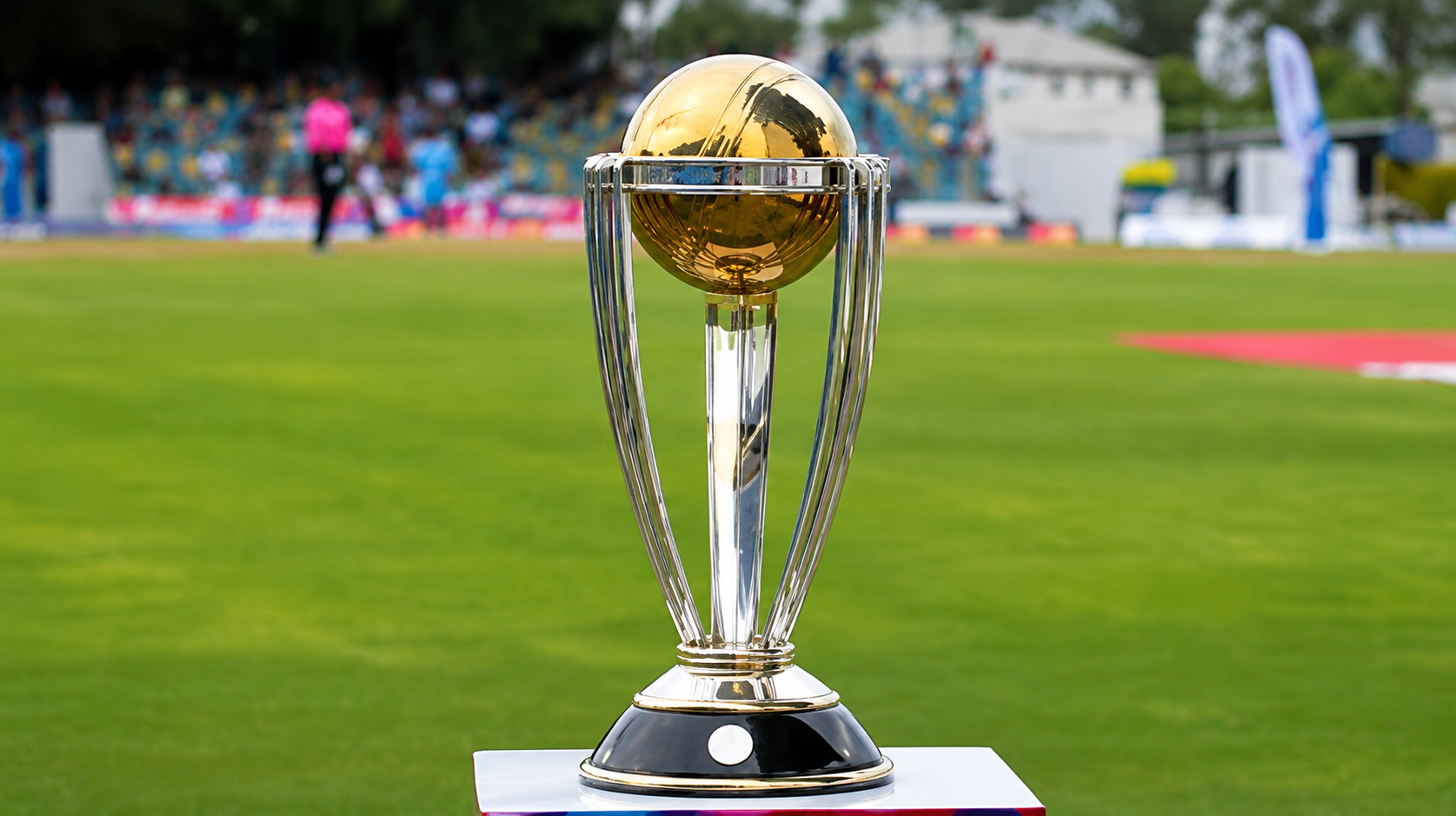
The International Cricket Council has approved a radical redesign of the 2027 ODI World Cup, tearing up its previously confirmed blueprint in favour of a multi-stage structure built around two brand-new phases. The revamp, announced following the ICC's Annual Conference in Edinburgh, introduces a Super Series round and a Super 7 stage, transforming the road to the final into a four-phase funnel.
The tournament, to be co-hosted by South Africa, Zimbabwe and Namibia from October 4 to November 21, 2027, retains its 14-team size but reshapes almost everything about how those teams progress. So what is the thinking behind the change?
The core rationale
The driving motivation is simple: to eliminate meaningless matches. Concerns had been raised at the conference about the prospect of too many dead rubbers and the resulting empty stadia, a problem the new structure is specifically designed to address.
In its own words, the ICC introduced the changes to "enhance consequence" in the early stages and to "elevate competitiveness" across its flagship events. By ensuring more fixtures carry genuine stakes, the governing body hopes to keep fans engaged and venues full deeper into the competition.
Stage one: the Super Series
The tournament will open with an entirely new round called the Super Series. This mini round-robin involves only the three lowest-ranked qualified teams — those seeded 12th, 13th and 14th.
The three sides will play each other once, but the stakes could hardly be higher, as only the winner of this round survives to progress. The other two are eliminated at the very first hurdle, ensuring a cut-throat, high-consequence start to proceedings.
Stage two: the group phase
The survivor of the Super Series joins the 11 higher-ranked qualifiers to make up a 12-team group stage. These teams are split into two groups of six, with each side playing the other five in its group once.
This phase, comprising 30 matches, forms the backbone of the tournament and determines which teams advance to the penultimate stage. It represents a notable expansion from the group phases of recent editions.
Stage three: the Super 7
The second new innovation is the Super 7 round. Qualification for it is intricate: the top three teams from each of the two groups advance automatically, joined by the next best-ranked team across both groups.
That produces a seven-team round-robin, from which the top four sides progress to the semi-finals. It is a stage designed to sharpen the middle of the tournament, guaranteeing a run of consequential fixtures between the leading nations before the knockouts.
Stage four: the knockouts
The business end retains its familiar shape. The top four from the Super 7 contest two semi-finals, with the winners meeting in the final.
By the time the knockouts arrive, teams will have been tested across three separate phases, in theory ensuring that only the most consistent and battle-hardened sides remain in contention for the trophy.
What it replaces
The new format supersedes a structure that had already been approved for 2027. Under the previous plan, the tournament was set to feature two groups of seven teams, with the top three from each advancing to a Super Six stage before the semi-finals.
It also differs markedly from the last two editions. Both the 2019 and 2023 World Cups featured just 10 teams in a single round-robin, with every side playing each other once before the top four progressed straight to the semi-finals.
The India-Pakistan factor
There is a commercial dimension to the tweak as well. The expanded 12-team group phase increases the likelihood of an additional India-Pakistan encounter — by some distance the most lucrative fixture in the sport.
With the two boards refusing to meet in bilateral cricket, the ICC is keen to facilitate such blockbuster clashes at its events wherever possible, and a longer group stage improves the odds of the marquee meeting occurring more than once.
Qualification and hosting
The route into the tournament remains unchanged. There are ten automatic qualifiers — the two Full Member co-hosts, South Africa and Zimbabwe, plus the eight highest-ranked teams on the ODI rankings, with a cut-off of September 2026. The remaining four places will be decided through a global qualifier.
The event also marks a significant milestone, with Africa hosting a World Cup for the first time since 2003. South Africa is set to stage the majority of fixtures, with Zimbabwe hosting around ten and a handful taking place in Namibia. The exact fixtures are due to be confirmed at an ICC meeting in October.
The final word
The ICC's redesign is a bold attempt to solve one of the modern game's persistent problems — the dead rubber — while maximising the appeal of its flagship 50-over event. By funnelling 14 teams through four demanding phases, the governing body is betting that more jeopardy will mean more meaningful cricket and fuller stadiums. Whether the added complexity enhances or dilutes the spectacle will only become clear once the action begins in Africa in 2027.