'No Dhoni to lean on': Vaughan sounds a caution over Fleming's England Test appointment
Stephen Fleming's move from CSK to the England Test hot seat has been met with a note of caution from Michael Vaughan. The former England captain argues Fleming's legendary IPL success was built on stability and an MS Dhoni-like leader to execute his vision — a luxury England, in transition after Ben Stokes' retirement, simply do not have. Can the Kiwi replicate his magic without it?
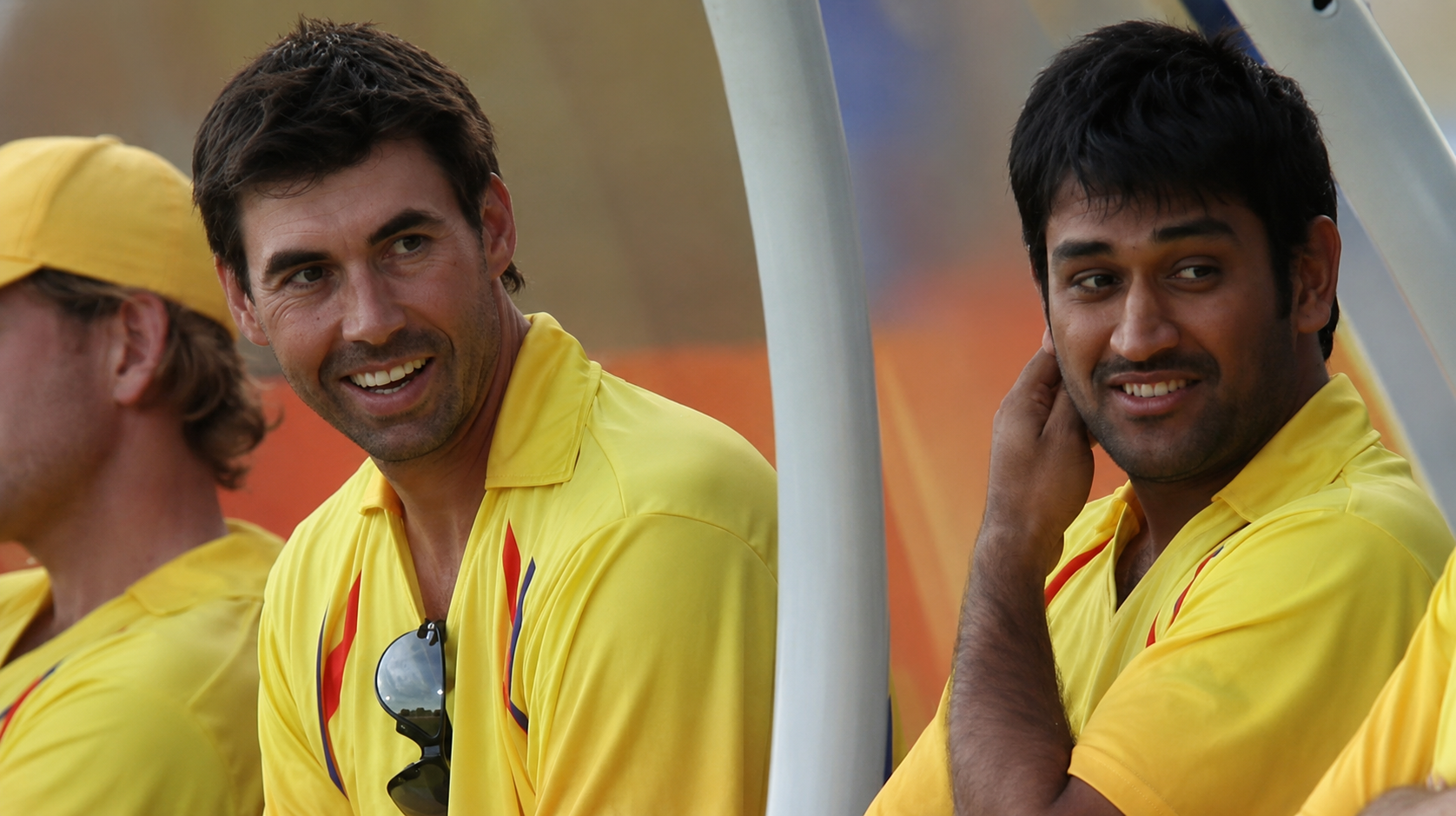
Stephen Fleming's appointment as England's new Test head coach has been widely welcomed, but former England captain Michael Vaughan has sounded a note of caution. His central concern is a pointed one: that the New Zealander's legendary success was built on a foundation of stability and a captain in the mould of MS Dhoni — a luxury that this England side, in a period of transition, does not currently possess.
The warning frames one of the key questions surrounding the move: can Fleming replicate his franchise magic in the very different environment of international Test cricket?
The appointment
Fleming is set to become England's new Test coach, having reportedly impressed the ECB during the interview process. The move brings to an end his extraordinary 18-year association with the Chennai Super Kings, a partnership that yielded five IPL titles and established one of the most successful coach-captain relationships the game has seen.
He is understood to have leapfrogged a strong field of contenders for the role, with names such as Tom Moody, Jonathan Trott and Richard Dawson also linked. His appointment comes at a pivotal moment for English cricket, following a home Test series defeat to New Zealand and the sudden international retirement of Ben Stokes.
The secret to Fleming's success
To understand Vaughan's caution, one must first understand the basis of Fleming's achievements at CSK. His philosophy was rooted in continuity rather than constant reinvention — a calm, stable environment in a format defined by rapid change and intense scrutiny.
Chennai frequently retained experienced players whom other franchises deemed too old, placing them in clearly defined roles and trusting them to deliver. It was an approach that prized settled structures and unwavering belief in a core group, and it proved remarkably effective over more than a decade.
The Dhoni factor
At the very heart of that success was MS Dhoni. The partnership between Fleming and the ice-cool wicketkeeper-captain became the engine of the CSK dynasty, with Dhoni executing Fleming's vision on the field with unmatched authority and composure.
Vaughan's argument centres on this dynamic. He has long contended that much of Fleming's brilliance was amplified by having a leader of Dhoni's calibre to translate strategy into results — a captain whose tactical acumen, temperament and standing allowed the coach's methods to flourish.
England's transitional challenge
The crux of the caution is that England find themselves in a state of flux, without an obvious equivalent to lean on. The retirement of Ben Stokes has left a significant leadership void, and the side is navigating a period of rebuilding.
Without a settled, authoritative captain of Dhoni's stature to anchor the dressing room and execute his plans, the question is whether Fleming's stability-first philosophy can take root as quickly or as effectively. Building that kind of relationship and structure at international level, where schedules are relentless and scrutiny unforgiving, is a considerable undertaking.
A different beast entirely
There is also the broader challenge of the step up from franchise to international cricket. While Fleming's résumé across the Super Kings network — including stints with Joburg Super Kings in the SA20 and Texas Super Kings in MLC — is impressive, coaching a national Test side is a markedly different proposition.
The demands of red-ball cricket across five days, the volume of touring, and the weight of national expectation present hurdles distinct from the T20 arena in which he has thrived. His success came in a format and an environment he had mastered over many years; England represents fresh, uncharted territory.
A calm head for turbulent times
Not everything about the fit is a concern, however. Fleming's reputation for creating a composed, low-pressure environment could prove valuable for an England side that has, at times, appeared to play with a high-risk approach that leaves it vulnerable.
His experience in managing star players, defining roles clearly and fostering continuity may be exactly what a team in transition requires. The very qualities that made him successful at CSK could, if transferred effectively, help steady English cricket after a turbulent spell.
The final word
Michael Vaughan's warning is less a criticism of Fleming and more a realistic assessment of the challenge that lies ahead. The New Zealander arrives with an outstanding pedigree, but the environment that produced his greatest triumphs — defined by stability and an all-time great captain — will not be automatically replicated in the England setup. Whether Fleming can adapt his proven methods to a side in flux, and help forge a new leadership dynamic, may well define the success or otherwise of his tenure. English cricket will be watching with keen interest.