Marnus Labuschagne left out as Australia reshape ODI plans ahead of 2027 World Cup
Marnus Labuschagne has been omitted from Australia's 17-man ODI squad for the upcoming tours of Zimbabwe and South Africa. The decision comes after a difficult run in the 50-over format, with his place taken amid the return of Mitchell Marsh and Travis Head and opportunities for younger players including Joel Davies and Ollie Peake.
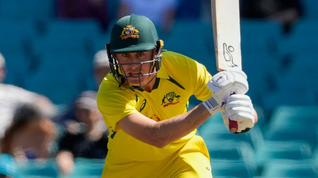
Marnus Labuschagne has been left out of Australia's ODI squad for the upcoming tours of Zimbabwe and South Africa, marking a significant change in the team's plans as they begin preparing for the 2027 World Cup.
The 32-year-old has been a regular member of Australia's one-day side since 2022 and played an important role in their 2023 World Cup triumph. However, his recent returns in the format have fallen below the standards expected from an established international batter, and the selectors have now opted to give opportunities to a younger group.
Australia will play six ODIs across Zimbabwe and South Africa later this month, with the matches taking place in the same region that will host next year's World Cup. The series therefore represents an important stage in Australia's preparations for their title defence.
Labuschagne misses out on the African tour
Labuschagne's omission comes after a difficult period in Australia's recent ODI campaigns. He scored only 24 runs across three matches during the tour of Pakistan and managed one half-century in the three-match series against Bangladesh in June.
His overall ODI numbers have also slipped in recent years. Since the beginning of 2024, he has averaged just 21.87 in the format, with an unbeaten 77 his highest score during that period.
With Australia looking to establish their combinations before next year's World Cup, the selectors have decided that the upcoming matches should be used to develop alternative options.
Selectors emphasise ODI selection
Chief selector George Bailey stressed that Labuschagne's omission was specifically related to one-day cricket. The selectors have not yet made a final decision about his place in Australia's Test side.
Bailey pointed to the importance of the upcoming six-match ODI schedule and the limited number of matches available before the World Cup. Giving younger players opportunities now will allow Australia to understand which combinations can succeed in the tournament conditions.
Labuschagne remains an experienced international player, but the current structure of the ODI squad has left little room for him.
Marsh and Head return
Australia have strengthened their ODI group with the return of Mitchell Marsh and Travis Head. Both players missed the recent ODI assignments against Pakistan and Bangladesh but are now back in the squad.
Marsh will captain Australia during the Zimbabwe leg, while Head provides another aggressive top-order option. Their return increases competition for batting positions and has contributed to Labuschagne's exclusion.
The selectors are clearly looking to establish a strong combination before next year's tournament rather than relying solely on the group that won the World Cup three years ago.
Young players receive opportunities
Australia have also continued their investment in emerging talent. Joel Davies has received his first ODI call-up after impressing during the recent T20I series against Bangladesh.
Ollie Peake has retained his place after making his ODI debut earlier this year, while Cooper Connolly remains part of the squad following his impressive performances in Bangladesh.
The presence of these players gives Australia an opportunity to assess their development against international opposition before the pressure of a World Cup arrives.
Davies could make his ODI debut
Davies is one of the most interesting additions to the squad. The New South Wales all-rounder made an immediate impact in his T20I debut against Bangladesh, taking three wickets for 17 runs.
His inclusion in the ODI group gives the selectors another opportunity to assess his potential in the longer white-ball format.
If he receives a chance during the Zimbabwe series, Davies could begin building a role that may become increasingly important over the next year.
Peake continues his development
Left-handed batter Ollie Peake has also retained his position after being introduced to international cricket earlier this year.
The selectors believe that continued exposure will help him develop his game and understand the demands of international cricket. His inclusion also provides Australia with a left-handed batting option as they experiment with their middle-order combinations.
Rather than making the squad entirely dependent on established names, Australia are using this period to build depth.
Hazlewood returns for both series
Josh Hazlewood is another major name returning to Australia's ODI setup. The experienced fast bowler has been selected for both the Zimbabwe and South Africa series.
His presence gives Australia an established leader in the pace attack while younger bowlers continue to compete for places.
Spencer Johnson and Billy Stanlake have also been included, adding further variety to Australia's fast-bowling options.
Cummins and Starc join for South Africa
Pat Cummins and Mitchell Starc will join the squad for the South African leg of the tour. Their involvement gives Australia considerable experience as the team moves from Zimbabwe to a stronger opponent.
Cummins is listed for the South Africa matches, while Mitchell Marsh will lead the team in Zimbabwe. The leadership structure will therefore allow Australia to manage the workload of their senior players while giving Marsh another opportunity to captain the ODI side.
Starc's return also provides Australia with a left-arm pace option capable of producing a major impact in conditions that can offer assistance to fast bowlers.
Six matches with World Cup significance
The upcoming six ODIs are more important than an ordinary bilateral series. Zimbabwe and South Africa will host the 2027 World Cup alongside Namibia, meaning Australia will use these matches to gain experience in the conditions they will encounter during the tournament.
George Bailey described the series as an important lead-in to the World Cup, particularly because Australia have a limited number of ODIs available before the tournament begins.
That makes every opportunity to test players and combinations increasingly valuable.
Australia's ODI squad
The 17-member group includes Xavier Bartlett, Alex Carey, Cooper Connolly, Pat Cummins, Joel Davies, Nathan Ellis, Cameron Green, Josh Hazlewood, Travis Head, Josh Inglis, Spencer Johnson, Mitchell Marsh, Oliver Peake, Matthew Renshaw, Billy Stanlake, Mitchell Starc and Adam Zampa.
Pat Cummins and Mitchell Starc are listed for the South Africa leg only, while Mitchell Marsh will lead the side in Zimbabwe.
The squad combines several members of Australia's established core with younger players who are being assessed for bigger roles.
Labuschagne's World Cup position becomes uncertain
Although the current decision relates specifically to ODI cricket, Labuschagne's absence inevitably raises questions about his prospects for next year's World Cup.
Australia have limited ODI matches remaining before the tournament, meaning players competing for positions will have fewer opportunities to establish themselves.
Labuschagne's previous contribution to Australia's World Cup success gives him a strong history, but his recent numbers mean he will need a significant improvement if he is to force his way back into the ODI plans.
Test future remains separate
The ODI omission does not automatically mean Labuschagne has been ruled out of Australia's Test plans. The selectors are still assessing their squad for the three-Test series against South Africa in October.
That decision will be made separately from the ODI selection. Labuschagne's Test form has also been under scrutiny, but the selectors have made it clear that performances in the two formats are being considered independently.
The Test squad is expected to be announced later this month.
Australia begin another World Cup build
Australia's decision to leave Labuschagne out demonstrates that the selectors are already looking beyond the 2023 World Cup-winning combination. The upcoming African tour provides an opportunity to identify players capable of carrying the team into the next tournament.
With Marsh, Head and Hazlewood returning and several younger players receiving greater exposure, Australia have created a squad that combines experience with experimentation.
The road to the 2027 World Cup
Australia's first ODI against Zimbabwe is scheduled for September 15 in Harare, followed by matches on September 18 and 20. The team will then travel to South Africa for three more ODIs on September 24, 27 and 30.
The six-match stretch will give the reigning world champions valuable information about their batting order, bowling combinations and emerging players.
For Labuschagne, meanwhile, the next phase of his international career has become more uncertain. His ODI place is no longer guaranteed, and with the World Cup approaching, the pressure to rediscover his best form will only increase.
Australia have chosen to look forward, giving younger players an opportunity while recalling several senior stars. Whether Labuschagne can force his way back into the ODI setup will now depend largely on how he responds to this setback.