Shubman Gill Wants India to End Experiments and Build World Cup Combination
India captain Shubman Gill believes the team has limited time left for experimentation ahead of the 2027 ODI World Cup. After India completed a 2-1 series victory over West Indies, Gill backed debutants Anshul Kamboj and Auqib Nabi but said India now need to move towards their preferred World Cup combination, while improving death bowling and fielding.
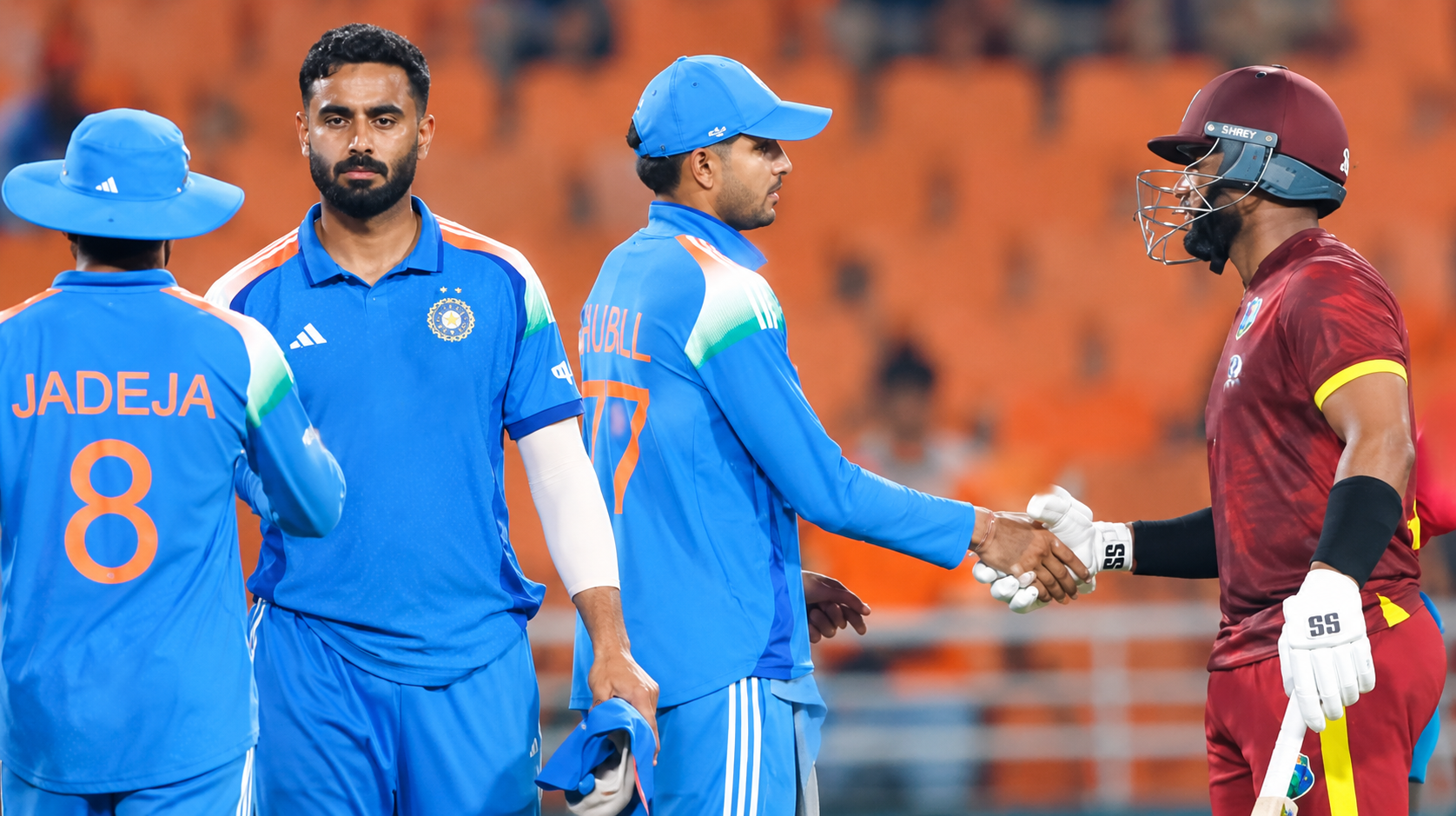
India captain Shubman Gill believes the team's experimentation phase needs to give way to a more settled approach as preparations for the 2027 ODI World Cup gather pace.
India won the three-match ODI series against West Indies 2-1, but the final match exposed concerns in the bowling and fielding departments. West Indies chased down 352 in New Chandigarh, with Shai Hope producing an unbeaten 162 to complete a five-wicket victory.
With the World Cup scheduled for next year, Gill wants India to begin playing as close as possible to their first-choice combination from the upcoming series.
Gill Wants a Settled World Cup Combination
Gill acknowledged that India had used the West Indies series to examine several options, particularly because of injuries and player availability. However, the captain believes the team cannot continue experimenting indefinitely.
India's next ODI assignment is the five-match series against New Zealand, and Gill hopes the players who are available for selection can form a more settled combination during that series.
The objective is to give the preferred group enough opportunities together before the World Cup, rather than repeatedly changing the playing XI.
West Indies Series Provided Valuable Lessons
India's 2-1 series victory looked convincing after the first two matches, but the final ODI became a major examination of their bowling depth.
West Indies scored 352/5 in the chase after India had posted 351/7. Hope's unbeaten 162 was the centerpiece of the chase, while Amir Jangoo contributed 67.
Across the three matches, India's bowling attack was repeatedly challenged by the West Indies batting unit. Gill believes those difficulties have highlighted areas that need attention before the World Cup.
Kamboj and Nabi Given Difficult Debuts
Anshul Kamboj and Auqib Nabi were among the players given opportunities during the series. Neither enjoyed an easy introduction to international cricket.
Nabi played the second ODI and conceded 84 runs from his 10 overs without taking a wicket. Kamboj then made his ODI debut in the third match, finishing with 0/82 from nine overs.
Kamboj was particularly expensive towards the end of the innings, conceding 22 runs in the penultimate over as West Indies moved closer to the target.
Gill Still Backs the Young Bowlers
Despite their difficult numbers, Gill was reluctant to judge either player too harshly after only one international appearance.
The captain pointed out that international cricket can be demanding for newcomers and that very few players immediately produce their best performances at this level.
Gill believes both Kamboj and Nabi remain part of India's wider ODI plans. Their performances have also given the team information about the type of players who could provide greater depth as the World Cup approaches.
The No. 8 Role Remains Important
One particular position India are examining is No. 8. The team wants a player capable of contributing with both bat and ball, giving the playing XI additional balance.
Gill specifically highlighted Kamboj's ability to bat as another reason why he remains an option. Nabi also offers some batting ability, giving India multiple candidates for the role.
The importance of the position has increased because injuries have affected India's preferred bowling resources. Finding a reliable all-round option could provide greater flexibility during the World Cup.
Injuries Have Complicated India's Planning
India have not been able to field their preferred bowling group consistently. Hardik Pandya and Harshit Rana have been unavailable, while Prasidh Krishna suffered a hamstring injury during the West Indies series.
Jasprit Bumrah was also unavailable for the ODI series because of his involvement in the Asian Games, forcing India to explore alternative combinations.
Gill acknowledged that injuries and selection decisions are outside the team's control. However, those circumstances made the West Indies series useful for testing potential replacements.
India Still Have Questions Around the Bowling Attack
Death bowling emerged as one of the biggest concerns from the series. Gill admitted that India have sometimes lacked clarity over whether to attack or defend during the final overs.
The third ODI provided the clearest example. India had 351 on the board but could not prevent West Indies from completing the chase with 10 balls remaining.
Improving the final-overs strategy will be particularly important in South African conditions, where the World Cup will be played across South Africa, Zimbabwe and Namibia.
Fielding Also Needs Improvement
Gill was equally critical of India's fielding during the series. The captain said the team had dropped several catches and conceded additional runs through sloppy work in the field.
For a bowling attack that is already under pressure, Gill believes fielders must provide greater support. Missed chances and preventable runs can quickly change the momentum of an ODI innings.
India therefore have two clear areas to improve before the World Cup: sharper fielding and greater clarity during the death overs.
Ravindra Jadeja's Place Remains a Selection Discussion
Ravindra Jadeja was rested for the third ODI as India continued assessing their options. Axar Patel and Washington Sundar had also been involved with the team around the same period.
Gill did not provide a definitive answer on how the spin-bowling all-rounders will fit together once all options are available. Instead, he indicated that the selectors and team management will assess players according to the skills they can offer in World Cup conditions.
The focus will therefore be on balance rather than reputation alone, particularly when India begin settling their tournament squad.
Experience Versus Squad Depth
The West Indies series highlighted the value of India's experienced batters while simultaneously giving younger players an opportunity to demonstrate their potential.
India's batting unit remained strong enough to produce substantial totals, but the absence of several first-choice bowling options exposed the difference between the established attack and the available backups.
Gill's challenge now is to maintain that squad depth while also giving the likely World Cup players enough time together.
The Road to the 2027 World Cup
India will enter the 2027 World Cup as one of the major contenders, but Gill's comments underline that the team still has important work to complete.
The next phase is expected to focus less on discovering options and more on building consistency. Players who are fit and available will need to establish roles, combinations and bowling plans well before the tournament begins.
Gill Wants the Transition to Start Now
For Gill, the West Indies series provided the final opportunity to examine several backup options under competitive conditions. The captain now wants India to move quickly towards the combination they believe can deliver in the World Cup.
Kamboj and Nabi remain in the wider mix despite their difficult debuts, while the experienced players will gradually return as availability permits. The priority is to combine that experience with reliable backups and a clear tactical plan.
India may have won the West Indies series, but Gill's message was clear: the next stage of preparation is about building the team that India actually want to take into the 2027 World Cup.